
We are all painstakingly familiar with the story of the 2001 Miami Hurricanes. Greatest team ever. A million first round NFL draft picks. Our logo is an orange and green horseshoe. Yeah, we get it. But the story surrounding Miami’s opponent in the national championship game that season is a far more interesting one. *Author’s note: as a Florida State fan, I am not legally allowed to say anything good about Miami (or Florida) without a few snide, sarcastic remarks.*
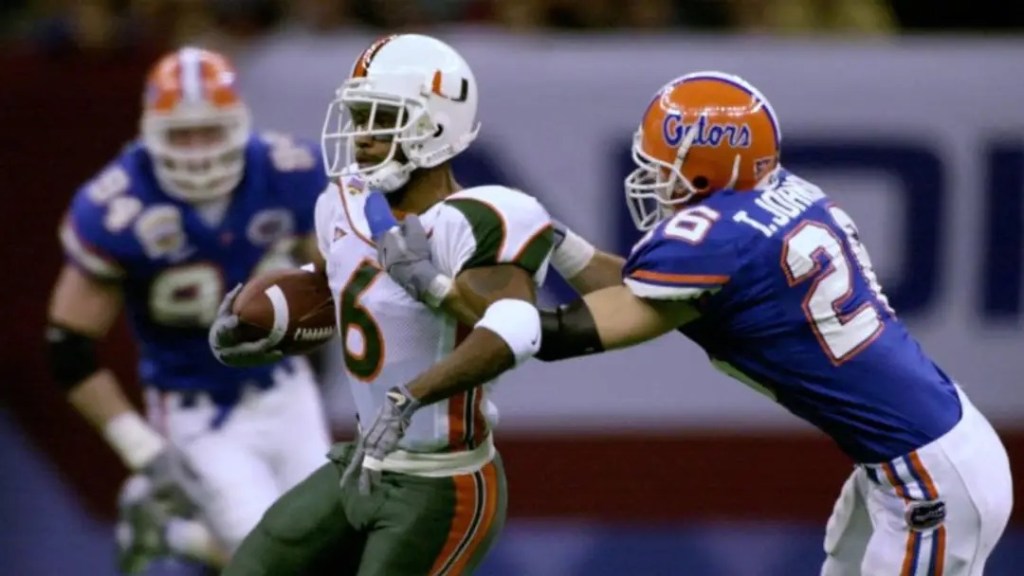
During the 2000 season, the Bowl Championship Series (BCS) was subject to scrutiny and drew ire from college football fans and media, particularly from those down in Miami. The BCS picked the Florida State Seminoles over the Hurricanes for the No. 2 spot, even though one-loss Miami had knocked off the Noles at home in early October. Florida State would go on to lay an egg on offense in the Orange Bowl, falling 13-2 to the top-ranked Oklahoma Sooners. Butch Davis’ Hurricanes took out their frustrations on Steve Spurrier and the Florida Gators in the Sugar Bowl, beating their in-state rival 37-20.
The 2001 Canes squad did not leave it up to doubt this time. With first-year head coach Larry Coker at the helm, they finished the regular season 11-0 and ranked at the top of all the polls. After beating Virginia Tech 26-24 in their season finale, Miami was headed to the Rose Bowl. Who awaited them in Pasadena, California? That’s what we’re here to discuss.
Because the BCS rankings were ultimately what decided the match-ups for the major bowls, that’s what we will be using for the duration of this story, unless otherwise noted. The first rankings of the 2001 season were unveiled on October 22nd. The top five were all undefeated teams: Oklahoma, Nebraska, UCLA, Miami, and Virginia Tech. Other unbeaten teams of note were Maryland at No. 8, Washington State at No. 10, and Oregon at No. 13. Within two weeks, all of these teams would suffer at least one loss, with the exception of Miami and Nebraska.
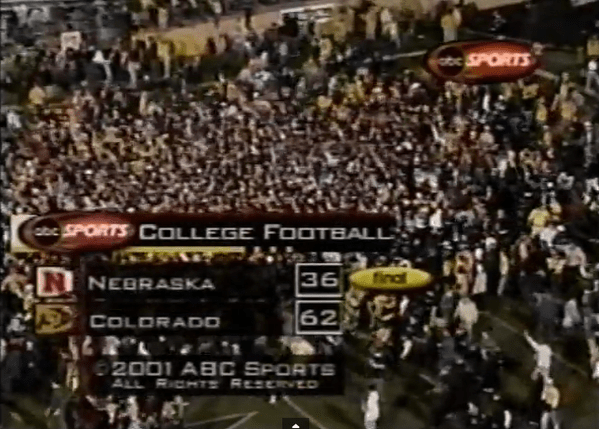
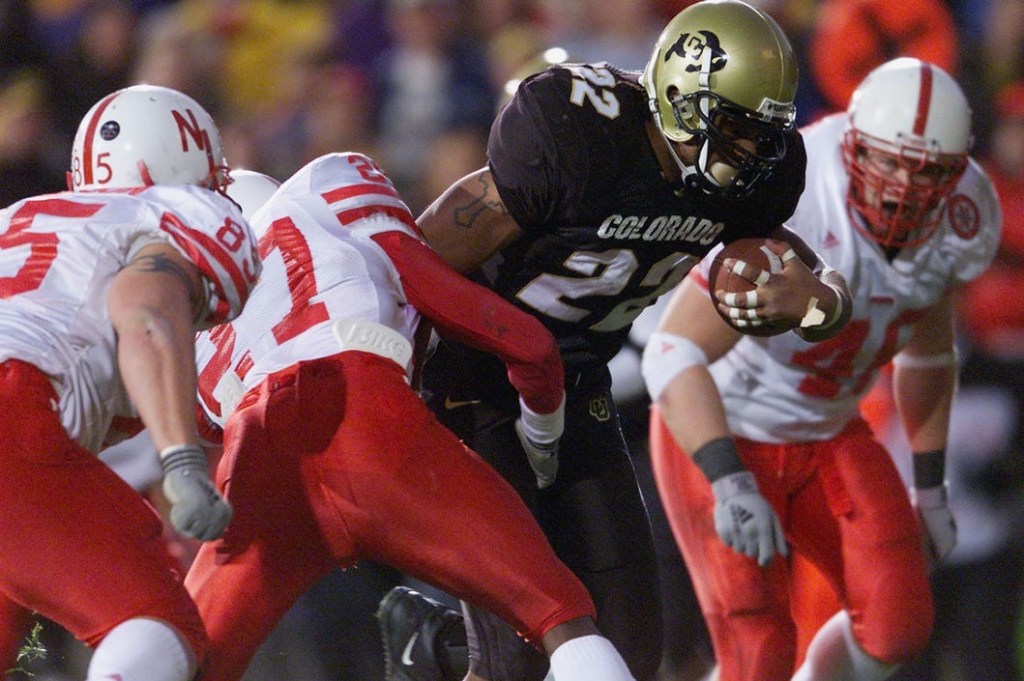
The real shake-up to these polls started on November 23rd. On Black Friday, the No. 15 Colorado Buffaloes hosted the No. 1 Nebraska Cornhuskers. The Buffs would give the Huskers a beat down of epic proportions, winning 62-36 over Frank Solich’s squad. Those 62 points were the most ever given up by a Nebraska team. The Buffaloes ran for 380 yards, while running back Chris Brown had six rushing touchdowns, another record against a Huskers’ defense.
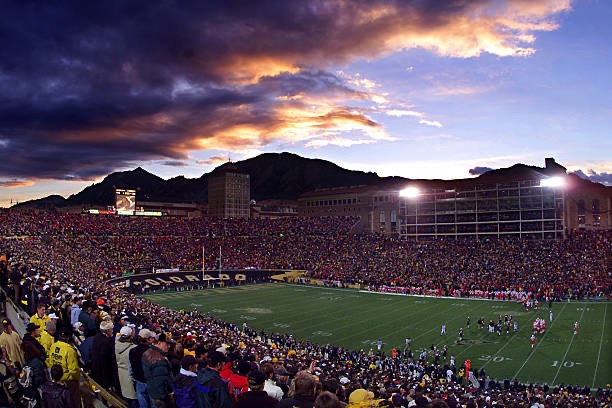
The following day brought more chaos, as the third-ranked Oklahoma Sooners fell flat against rival Oklahoma State in Bedlam. In his first year as head coach, Les Miles and his 3-7 Cowboys took down OU in Norman 16-13. It was an excellent way to cap off a disappointing first season for Miles in Stillwater.
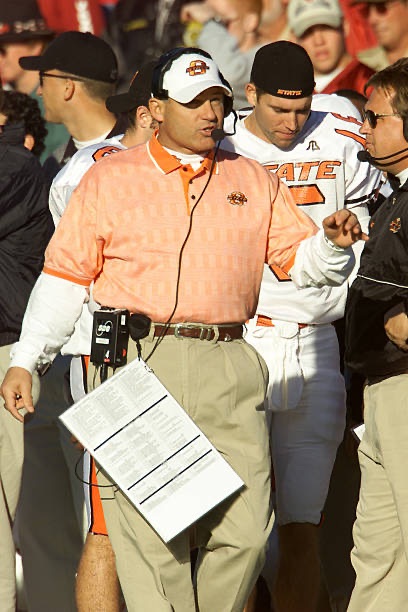
Florida, Texas, and Tennessee were all one-loss teams that benefited from the Sooners’ late-season misfortune. On December 1st, the second-ranked Gators and sixth-ranked Volunteers squared off in Gainesville for the SEC East title. The game was originally scheduled to be played in mid-September, but was moved due to the terrorist attacks on September 11th, 2001.
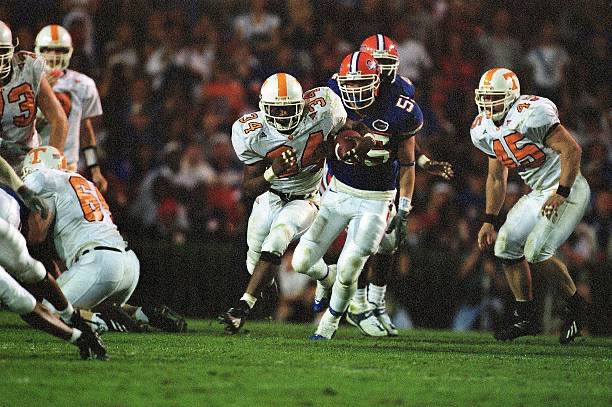
Florida held a 23-21 lead heading into the fourth quarter, but a big run by Vols’ running back Travis Stephens set Tennessee up inside the two-yard line early in the final period. After Jabari Davis punched it in on the next play, Tennessee never relinquished the lead. Tennessee held on 34-32 to spoil Steve Spurrier’s final game in the Swamp. Tennessee clinched a spot in the SEC Championship Game and put themselves in a prime position to be back in the national title game for the second time in four years.
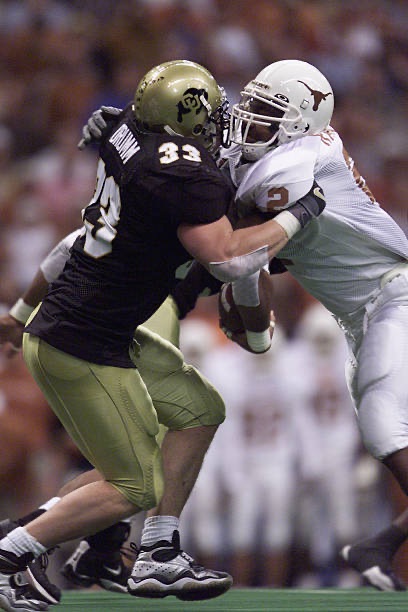
Later that day, the third-ranked Longhorns had an opportunity to punch their ticket to Pasadena by winning the Big 12 championship game. All they had to do was get by a team they had beaten 41-7 earlier that season. Seems easy enough, right? Unfortunately for them, that team was the seventh-ranked Colorado Buffaloes, who might have been the hottest team in the country at that point in the season. The Buffs held a 36-20 lead heading into the fourth quarter. Despite a furious comeback attempt by the Longhorns, who scored 17 points in the final quarter, CU held on 39-37 to take home the Big 12 crown.
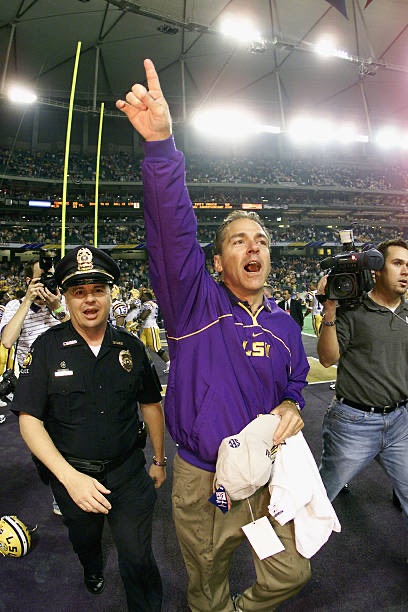
Fast forward one week, and second-ranked Tennessee was looking at the same opportunity as the Longhorns were: win and you’re in. Standing in the way of the Vols’ West Coast vacation was an LSU Tigers team that Tennessee had already beaten that year. But, rematches are difficult, especially when it’s against Nick Saban, in his second year in charge of the LSU program. The Tigers spoiled any chance of the SEC having a representative in the title game. The Bayou Bengals avenged their 26-18 September defeat in Knoxville with a 31-20 victory in Atlanta.
Now that Florida, Texas, and Tennessee had eliminated themselves, who was left to claim the number two spot in the BCS rankings? Colorado seemed deserving, as the Buffs were Big 12 champions, and had beaten two top-three teams in the span of eight days. The Buffs avenged their only conference loss by taking down Texas and had ranked wins over Colorado State, Kansas State, and Texas A&M on their resume. The only major blemish for the Buffs was an opening season home loss against the Fresno State Bulldogs way back on August 26th. That Fresno team won 11 games in 2001, climbing all the way to No. 8 in the country by mid-October.
The Oregon Ducks also had a legitimate argument for the No. 2 spot. The Ducks finished the regular season 10-1, winning the Pac-10 outright. They had three ranked wins on the season, against No. 22 Wisconsin, No. 14 Washington State, and No. 17 UCLA. Their lone loss was at home, by a single score against a Stanford Cardinal team that would win nine games in 2001.
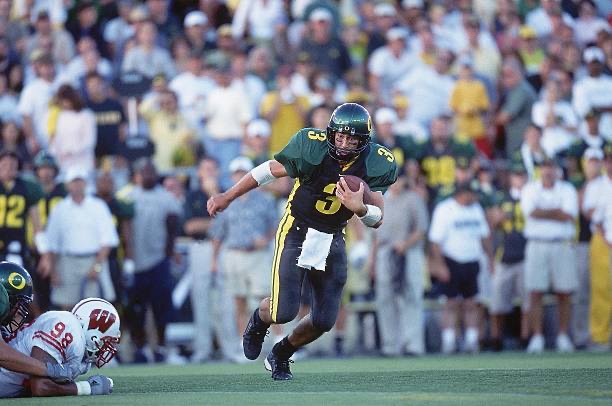
The Ducks were ranked second in the AP Poll and the Coaches Poll, but their 31st ranked strength of schedule did them no favors. The Buffs had the second-ranked strength of schedule, boosted by playing Nebraska and Texas in their final two games. However, their early season loss to Fresno was ultimately the nail in their coffin. Colorado and Oregon finished third and fourth, respectively, earning a match-up with one another in the Fiesta Bowl. Oregon won the game 38-16, after Ducks’ quarterback Joey Harrington had 350 yards through the air to go along with four touchdown passes.
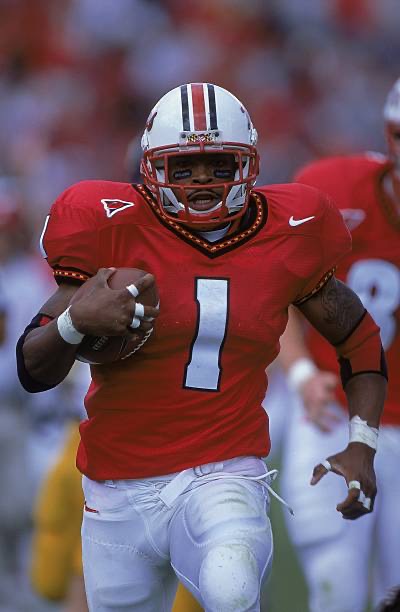
So, who was left to face off against Miami? Eighth-ranked Illinois went 10-1 and won the Big Ten, while tenth-ranked Maryland won the ACC with the same overall record. The Terrapins only blemish was a 52-31 loss in late October to Florida State. Naturally, the BCS big brand bias held serve, sending the conference championship-less 11-1 Nebraska Cornhuskers to Pasadena.
It is easy to lash out at the decision to rank Nebraska ahead of a team that pummeled them late in the year, but the Huskers were a formidable foe. Quarterback Eric Crouch, eventual Heisman Trophy winner, led a speed option attack on offense. Crouch was the signal-caller for seventh-ranked scoring offense in the nation that averaged 37 points per game. The Huskers averaged 314 rushing yards per game, and 5.6 yards per rushing attempt. Nebraska averaged over 450 yards of total offense per game.
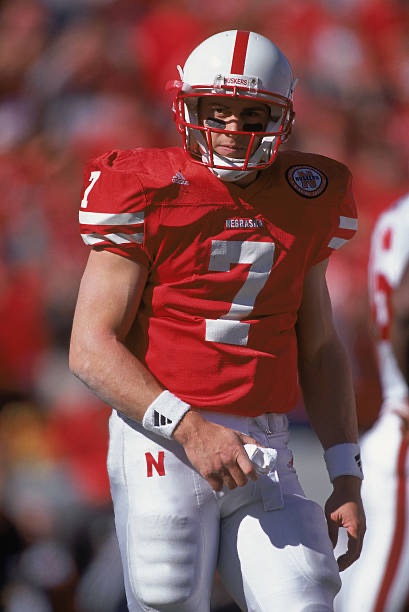
The 2001 campaign can simply be defined as who Nebraska was before and after the Colorado game, holding especially true on defense. The Huskers defense was stout, giving up just 93 yards rushing and 11 points per game on average in their first 11 contests. Prior to the trip to Boulder, the Huskers had a case to be the best team in the country. They were winning Big 12 games by an average margin of almost 25 points. They took down number two Oklahoma in late October with an impressive defensive performance, holding the Sooners to just 10 points in Lincoln. The “Blackshirt” defense had forced 26 turnovers, were giving up less than 4 yards per play, and five times had held their opponent to less than 10 points.
All of that changed on Black Friday in Boulder. One might argue the trajectory of their entire football program changed that day. After getting run over by the Buffaloes, the Huskers had a shot at redemption in the “granddaddy of them all” on January 3rd, 2002. Their opponent was a behemoth on both sides of the ball, and the Huskers were simply outmatched.
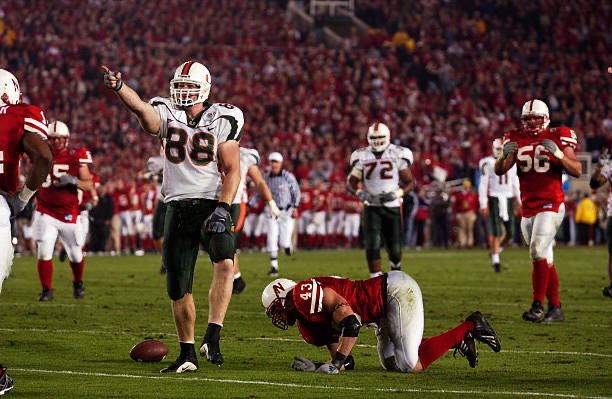
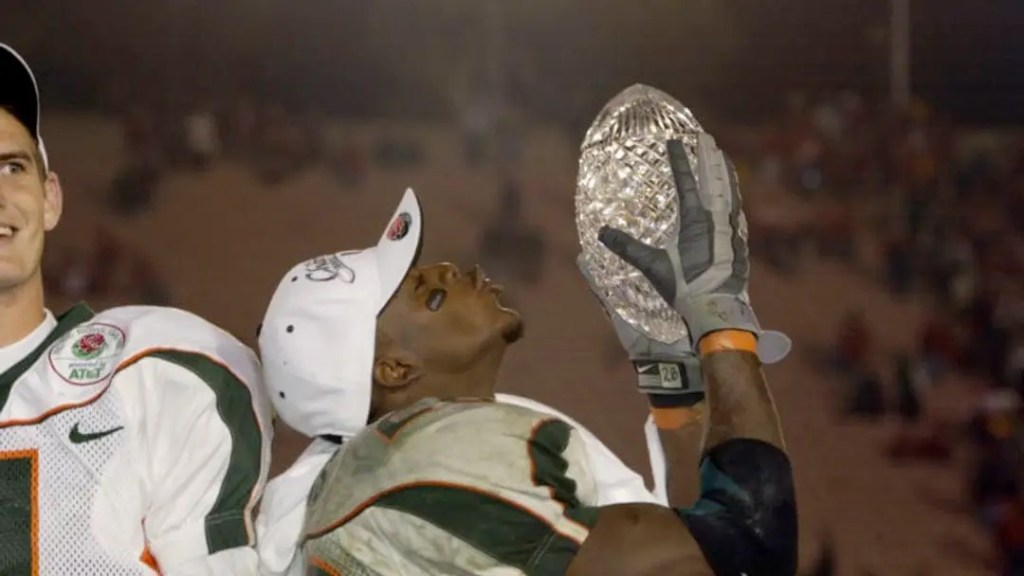
The top-ranked Hurricanes dismantled the Cornhuskers in a rather ho-hum game. Miami led 34-0 at the break, but for some reason, called off the dogs in the second half. Nebraska managed to score twice in the final thirty minutes, but the deficit was too great to overcome. The Hurricanes prevailed 37-14, and Miami lifted the crystal ball for their fifth national title in school history.
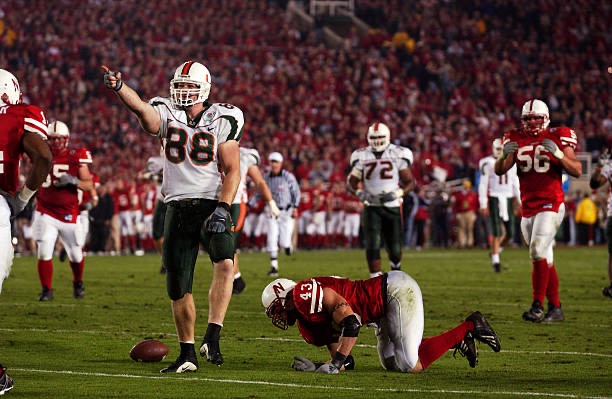
So, dear reader, you may have valid opinions on which team should have squared off with the Canes in Pasadena. Maybe you believe Colorado’s late season surge should have made them the first two-loss team in the BCS era to play for the title. Perhaps Oregon deserved a shot at smelling the roses. A four-team or twelve-team playoff format would have made for a very interesting winter in 2001. Most fans of that team in Coral Gables would tell you that it did not matter who lined up on the other sideline, the Canes were taking home that hardware. Perhaps they are right.
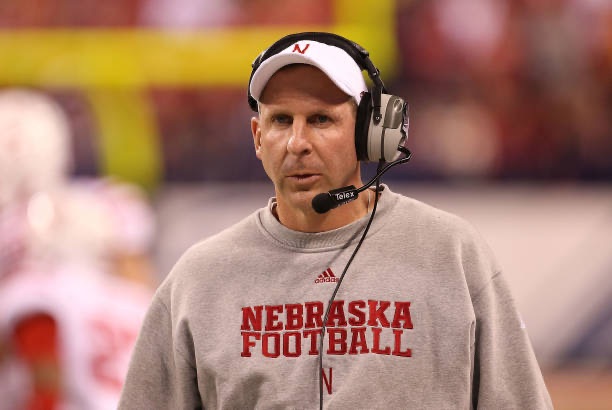
As previously mentioned, the Nebraska football program was never quite the same after this season. Solich was fired after a 9-3 finish to the 2003 season, which is as head-scratching now as I’m sure it was then. He was replaced by Bill Callahan, who went 27-22 with two bowl appearances in four seasons. In 2008, the Huskers hired former Solich assistant Bo Pelini, who guided Nebraska to seven straight seasons of nine or more wins. Pelini was fired after the 2014 regular season finale. Since Pelini’s departure, the Huskers have managed just three winning records in 11 seasons while making three head coaching hires.


Leave a Reply